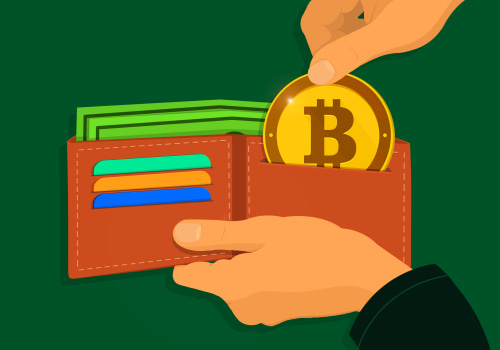
Bitcoin, often referred to as the first decentralized digital currency, has revolutionized the way we perceive and interact with money. Unlike traditional currencies issued by governments, Bitcoin operates on a peer-to-peer network, allowing users to send and receive payments directly without the need for intermediaries like banks. This innovative approach not only enhances transaction speed but also significantly reduces costs, making it an attractive option for individuals and businesses alike. At its core, Bitcoin is a form of cryptocurrency , which means it relies on cryptographic techniques to secure transactions and control the creation of new units. Each Bitcoin transaction is recorded on a public ledger known as the blockchain, which ensures transparency and prevents double-spending.
This decentralized nature of Bitcoin not only empowers users by giving them full control over their funds but also challenges traditional financial systems that have long been dominated by centralized authorities. The significance of Bitcoin extends beyond its functionality as a currency; it represents a paradigm shift in how we think about value and trust in the digital age. As more people become aware of its potential, Bitcoin has gained traction as a viable alternative to conventional financial instruments. Its ability to operate independently of government regulations and banking systems has sparked interest from various sectors, including technology, finance, and even art. As we delve deeper into the world of Bitcoin, we will explore its unique characteristics, the technology behind it, and its implications for the future of finance. Understanding Bitcoin is not just about grasping how it works; it's about recognizing its role in shaping a new economic landscape where digital assets are becoming increasingly relevant.
The Nature of Bitcoin: Digital Currency Explained
Bitcoin, often referred to as a digital currency, exists solely in electronic form.Unlike traditional currencies, which can be physically held and exchanged, Bitcoin is represented as a series of numbers and letters on a computer screen. This unique representation is made possible through advanced cryptographic techniques that ensure security and authenticity. At its core, Bitcoin operates on a decentralized network known as the blockchain. This technology serves as a public ledger that records all transactions made with Bitcoin. Each transaction is grouped into blocks, which are then linked together in chronological order, creating an immutable chain of data.
This decentralized nature means that no single entity, such as a bank or government, has control over the currency, allowing for greater transparency and security. One of the most significant characteristics of Bitcoin is its divisibility. A single Bitcoin can be divided into 100 million smaller units called satoshis, named after its pseudonymous creator, Satoshi Nakamoto. This feature allows users to transact in very small amounts, making Bitcoin accessible for various uses—from microtransactions to larger investments. Another defining feature of Bitcoin is its limited supply. There will only ever be 21 million Bitcoins in existence, a cap designed to create scarcity and potentially increase value over time.
This contrasts sharply with fiat currencies, which can be printed in unlimited quantities by central banks. Bitcoin transactions are facilitated through digital wallets, which can be software-based or hardware devices. These wallets store the user's private keys—secure codes that allow them to access their Bitcoin holdings and authorize transactions. The use of public and private keys ensures that only the rightful owner can spend their Bitcoins, adding an additional layer of security. In summary, Bitcoin's digital nature and decentralized framework distinguish it from traditional currencies. Its representation as data on a blockchain not only enhances security but also enables features like divisibility and limited supply.
As more individuals and businesses recognize these characteristics, the adoption of Bitcoin continues to grow, paving the way for a new era of financial transactions.
How Bitcoin Transactions Work
Understanding how Bitcoin transactions work is crucial for anyone looking to engage with this digital currency. The process begins when a user initiates a transaction using their Bitcoin wallet, which is a software application that allows them to send and receive bitcoins. Each wallet has a unique public key and a corresponding private key. The public key acts like an email address, while the private key is akin to a password, ensuring that only the owner can access their funds. When a user wants to send bitcoins, they create a transaction request that includes the recipient's public key, the amount of Bitcoin being sent, and a transaction fee.This fee incentivizes miners to validate the transaction quickly. Once the transaction is created, it is broadcasted to the Bitcoin network, where it awaits validation. The next step involves miners, who are individuals or groups that use powerful computers to solve complex mathematical problems. These problems are part of the proof-of-work mechanism that secures the network. When miners successfully solve these problems, they validate the transactions included in a block.
This block contains multiple transactions and is added to the blockchain—a public ledger that records all Bitcoin transactions. Once a transaction is included in a block and added to the blockchain, it becomes irreversible. This means that once confirmed, bitcoins cannot be taken back or altered. The entire process typically takes about 10 minutes for each block to be mined, although this can vary based on network congestion and transaction fees. After confirmation, the recipient's wallet balance is updated to reflect the new amount of bitcoins received. It’s important to note that while transactions are recorded on the blockchain, they do not contain personal information about the users involved; instead, they are linked through their public keys. In summary, Bitcoin transactions involve several steps: initiating a transaction through a wallet, broadcasting it to the network, validating it through mining, and finally recording it on the blockchain.
This decentralized process ensures security and transparency while eliminating the need for intermediaries like banks.
Bitcoin Wallets: Your Key to Ownership
When it comes to managing your Bitcoin, having a reliable Bitcoin wallet is essential. A Bitcoin wallet serves as a digital tool that allows you to store, send, and receive your cryptocurrency securely. Unlike traditional wallets that hold physical cash, Bitcoin wallets manage your digital assets through cryptographic keys. These keys are crucial for accessing your Bitcoin and conducting transactions. There are several types of Bitcoin wallets, each with its own unique features and security levels:- Software Wallets: These are applications that can be installed on your computer or mobile device.
They are user-friendly and convenient for everyday transactions. Software wallets can be further divided into:
- Hot Wallets: Connected to the internet, hot wallets are ideal for frequent transactions but are more vulnerable to hacking.
- Cold Wallets: These wallets are offline and provide enhanced security. They are best for long-term storage of Bitcoin.
- Hardware Wallets: Physical devices that store your Bitcoin offline. They offer a high level of security against online threats and are recommended for users holding significant amounts of Bitcoin.
- Paper Wallets: A physical printout of your public and private keys.
While they are immune to online attacks, they can be easily lost or damaged.
- Select a Wallet: Choose the type of wallet that best suits your needs based on how often you plan to transact and the amount of Bitcoin you hold.
- Create Your Wallet: Follow the setup instructions provided by the wallet provider. This usually involves generating a secure password and backing up your recovery phrase.
- Add Bitcoin: You can purchase Bitcoin through exchanges or receive it from other users. Use your wallet's public address to facilitate these transactions.
- Manage Your Holdings: Regularly check your wallet balance and transaction history. Ensure that you keep your private keys secure and never share them with anyone.
By choosing the right wallet and following best practices, you can ensure that your Bitcoin remains safe while enjoying the benefits of this revolutionary digital currency.
The Role of Mining in Bitcoin's Ecosystem
Bitcoin mining is a fundamental process that underpins the entire Bitcoin ecosystem. It serves not only as a method for creating new bitcoins but also as a mechanism for validating and securing transactions on the network. Understanding how mining works is crucial for grasping the decentralized nature of Bitcoin and its operational integrity.How Mining Works
At its core, Bitcoin mining involves solving complex mathematical problems that validate transactions. Miners use powerful computers to compete against each other in this process, known as proof of work.
When a miner successfully solves a problem, they create a new block of transactions that is added to the blockchain, which is the public ledger of all Bitcoin transactions.
This process not only confirms the legitimacy of transactions but also prevents double-spending, ensuring that each bitcoin can only be spent once. The decentralized nature of mining means that no single entity controls the network, making it resistant to fraud and manipulation.
Mining Rewards
To incentivize miners to participate in this resource-intensive process, Bitcoin offers rewards in the form of newly created bitcoins and transaction fees. Initially, the reward for mining a block was 50 bitcoins; however, this amount is halved approximately every four years in an event known as halving. As of now, the reward stands at 6.25 bitcoins per block.
This mechanism not only regulates the supply of bitcoins but also creates scarcity, which can drive up demand and value over time.
In addition to block rewards, miners also earn transaction fees from users who want their transactions processed more quickly. These fees can vary based on network congestion and user preferences, providing an additional incentive for miners to prioritize certain transactions.
The Importance of Mining
The role of mining extends beyond just creating new bitcoins; it is essential for maintaining the security and integrity of the Bitcoin network. Each time a miner adds a new block to the blockchain, they contribute to a growing chain of verified transactions that are immutable and transparent. This transparency fosters trust among users and helps to establish Bitcoin as a legitimate form of currency.
Moreover, as more miners join the network, the overall security increases due to the higher computational power required to alter any part of the blockchain.
This decentralized approach ensures that no single point of failure exists, making Bitcoin resilient against attacks. In summary, Bitcoin mining plays a critical role in both creating new coins and securing the network. By understanding how mining works and its importance in maintaining Bitcoin's integrity, users can better appreciate the complexities and innovations behind this revolutionary digital currency.
Bitcoin's Value: Understanding Market Dynamics
The value of Bitcoin is influenced by a complex interplay of various factors that shape its market dynamics. Understanding these elements is crucial for anyone looking to invest in or utilize Bitcoin, especially in the context of a bitcoin loan.Supply and Demand
At the core of Bitcoin's value lies the fundamental economic principle of supply and demand. The total supply of Bitcoin is capped at 21 million coins, which creates scarcity.
As more people become interested in Bitcoin, the demand increases, often leading to price surges. Conversely, if demand wanes, prices can drop significantly. This volatility is a hallmark of Bitcoin's market behavior.
Market Sentiment
Market sentiment plays a pivotal role in determining Bitcoin's price. News events, regulatory changes, and technological advancements can sway public perception and investor confidence.
For instance, positive news about institutional adoption or favorable regulations can lead to increased buying activity, while negative news can trigger panic selling.
External Economic Factors
- Global Economic Conditions: Economic instability or inflation in traditional markets often drives investors towards Bitcoin as a hedge against currency devaluation.
- Interest Rates: Low-interest rates can make traditional savings less attractive, prompting investors to seek higher returns in cryptocurrencies.
- Geopolitical Events: Political unrest or crises can lead to increased interest in decentralized currencies like Bitcoin, as they are not tied to any specific government.
Technological Developments
The underlying technology of Bitcoin, known as blockchain, also affects its value. Improvements in scalability, security, and transaction speed can enhance user experience and attract more investors. Additionally, innovations such as the Lightning Network aim to facilitate faster transactions and lower fees, potentially increasing Bitcoin's utility and value.
Market Manipulation
Lastly, it's essential to acknowledge that the relatively low market capitalization of Bitcoin compared to traditional assets makes it susceptible to manipulation. Large holders, often referred to as "whales," can influence prices by making significant trades.
This manipulation can lead to sudden price fluctuations that may not reflect the actual market demand. In summary, understanding the dynamics that influence Bitcoin's value is crucial for navigating its volatile market. Factors such as supply and demand, market sentiment, external economic conditions, technological advancements, and potential manipulation all play significant roles in shaping the price of this digital currency.
Using Bitcoin for Loans: A New Financial Frontier
The rise of Bitcoin has not only transformed the way we think about currency but has also opened up new avenues for financial services, particularly in the realm of loans. Using Bitcoin as collateral for loans is becoming increasingly popular, allowing individuals to leverage their cryptocurrency holdings without having to sell them. This innovative approach to borrowing is facilitated by various platforms that specialize in cryptocurrency loans. When you use Bitcoin as collateral, you essentially pledge your digital assets to secure a loan.This means that if you fail to repay the loan, the lender has the right to seize your Bitcoin. However, this method offers several advantages:
- Access to Liquidity: By using Bitcoin as collateral, borrowers can access cash without liquidating their assets, which can be beneficial in a volatile market.
- Retain Ownership: Borrowers maintain ownership of their Bitcoin while still gaining access to funds, allowing them to benefit from potential price appreciation.
- Quick Approval Processes: Many platforms offer fast approval times compared to traditional banks, making it easier for users to obtain funds when needed.
- Market Volatility: The value of Bitcoin can fluctuate dramatically. If the value of your collateral falls below a certain threshold, you may face a margin call, requiring you to add more collateral or risk losing your Bitcoin.
- Interest Rates: Depending on the platform and market conditions, interest rates on cryptocurrency loans can be higher than traditional loans.
- Lack of Regulation: The cryptocurrency lending space is less regulated than traditional finance, which can expose borrowers to risks related to platform security and reliability.
These platforms typically require users to create an account and undergo a verification process before they can access loan services. In conclusion, using Bitcoin for loans represents a new financial frontier that offers both opportunities and challenges. As the cryptocurrency landscape continues to evolve, understanding how to navigate these options will be crucial for anyone looking to leverage their digital assets effectively.
The Future of Bitcoin: Trends and Predictions
The future of Bitcoin is a topic of great interest and speculation among investors, technologists, and financial analysts alike. As the cryptocurrency landscape continues to evolve, several trends and predictions are emerging that could shape the trajectory of Bitcoin in the coming years. One significant trend is the increasing institutional adoption of Bitcoin. Major corporations and financial institutions are beginning to recognize Bitcoin not just as a speculative asset but as a legitimate store of value.Companies like MicroStrategy and Tesla have made substantial investments in Bitcoin, signaling a shift in perception. This trend is likely to continue as more institutions seek to diversify their portfolios with digital assets. Another important factor influencing the future of Bitcoin is regulatory developments. Governments around the world are grappling with how to regulate cryptocurrencies effectively. While some countries have embraced Bitcoin, others have imposed strict regulations or outright bans.
The outcome of these regulatory discussions will play a crucial role in determining Bitcoin's mainstream acceptance and usability. Technological advancements also promise to impact Bitcoin's future significantly. Innovations such as the Lightning Network aim to enhance transaction speed and reduce fees, making Bitcoin more practical for everyday transactions. As these technologies mature, they could facilitate broader adoption among merchants and consumers. Moreover, the environmental concerns surrounding Bitcoin mining are prompting discussions about sustainability. As awareness grows regarding the carbon footprint associated with mining operations, there may be a push towards greener alternatives or more energy-efficient mining practices.
This shift could influence public perception and regulatory approaches to Bitcoin. In terms of price predictions, analysts remain divided. Some foresee a bullish future where Bitcoin could reach new all-time highs, driven by increased demand and limited supply due to its capped issuance. Others caution that market volatility and external economic factors could lead to significant price corrections. In conclusion, while the future of Bitcoin remains uncertain, several key trends—such as institutional adoption, regulatory developments, technological advancements, and environmental considerations—will likely shape its path forward. Investors and enthusiasts should stay informed about these dynamics as they navigate the evolving landscape of cryptocurrency.
Frequently Asked Questions about Bitcoin
As Bitcoin continues to gain traction in the financial world, many individuals have questions about its functionality, security, and overall impact.Below are some of the most frequently asked questions about Bitcoin that can help clarify common misconceptions and provide a deeper understanding of this revolutionary digital currency.
- What is Bitcoin? Bitcoin is a decentralized digital currency that allows for peer-to-peer transactions without the need for intermediaries like banks. It operates on a technology called blockchain, which is a public ledger that records all transactions made with Bitcoin.
- How does Bitcoin work? Bitcoin transactions are verified by network nodes through cryptography and recorded in the blockchain. Users can send and receive bitcoins using a digital wallet, which stores their public and private keys.
- Is Bitcoin safe? While Bitcoin itself is secure due to its cryptographic nature, users must take precautions to protect their wallets from hacking and theft. Using strong passwords, enabling two-factor authentication, and keeping backups of wallet keys are essential practices.
- Can I buy things with Bitcoin?
Yes, many merchants now accept Bitcoin as a form of payment.
Additionally, there are services that allow you to convert Bitcoin into traditional currency for use in everyday transactions.
- What is a Bitcoin loan? A Bitcoin loan allows individuals to borrow money using their Bitcoin holdings as collateral. This can be an attractive option for those who want to access liquidity without selling their assets.
- How do I get started with Bitcoin? To start using Bitcoin, you need to create a digital wallet, purchase some bitcoins through an exchange or from another user, and familiarize yourself with how transactions work.
Conclusion: The Essence of Bitcoin in Today's Economy
In summary, Bitcoin represents a revolutionary shift in the way we perceive and utilize currency in our daily lives. As a decentralized digital asset, it operates independently of traditional financial institutions, offering users a level of autonomy and control over their finances that was previously unattainable.Understanding Bitcoin is crucial in today’s economy, where digital transactions are becoming increasingly prevalent. Throughout this article, we have explored the fundamental characteristics of Bitcoin, including its digital nature , the role of blockchain technology , and the process of mining. Each of these elements contributes to the overall functionality and security of Bitcoin as a currency. The absence of a physical form does not diminish its value; rather, it enhances its appeal in a world that is rapidly moving towards digital solutions. Moreover, Bitcoin's ability to facilitate peer-to-peer transactions without the need for intermediaries has significant implications for both consumers and businesses. This capability not only reduces transaction costs but also accelerates the speed at which transactions can be completed.
As more merchants begin to accept Bitcoin as a form of payment, its integration into everyday commerce becomes more seamless. Additionally, the concept of Bitcoin loans is gaining traction, allowing individuals to leverage their cryptocurrency holdings for various financial needs. This innovative approach to lending further exemplifies how Bitcoin is reshaping traditional financial paradigms. As we look to the future, it is essential to recognize that Bitcoin is not merely a passing trend but rather a foundational element of the evolving financial landscape. Its potential to disrupt conventional banking systems and empower individuals cannot be overstated. By embracing this digital currency, we open ourselves up to new opportunities for investment, savings, and financial independence. In conclusion, understanding Bitcoin is vital for anyone looking to navigate the complexities of modern finance.
As it continues to gain acceptance and recognition worldwide, being informed about its workings and implications will enable individuals and businesses alike to make better financial decisions in an increasingly digital economy.